You Can Love Them and Still Feel Lonely Why long-distance relationships are harder than we admit
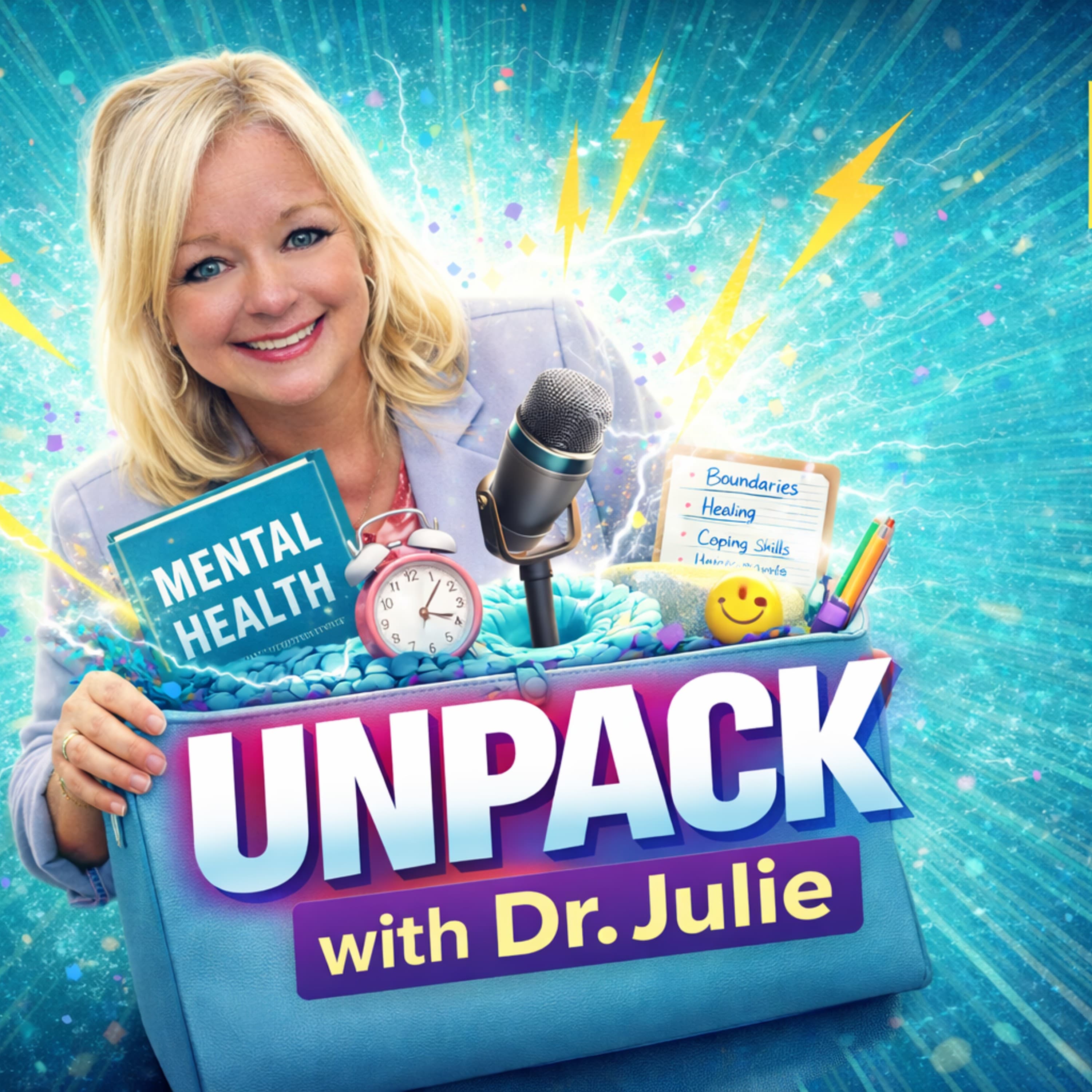
Join Dr. Julie as she explores the beautiful complexity of being human and offers compassionate tools for mental health and real-life growth. Together, we'll create a safe space to understand yourself, reconnect with your worth, and embrace healing with kindness.
This show was created with Jellypod, the AI Podcast Studio. Create your own podcast with Jellypod today.
Get StartedIs this your podcast and want to remove this banner? Click here.
Chapter 1
You Can Love Them and Still Feel Lonely: The Realities of Long-Distance Relationships
Dr. Julie Sorenson
Hey everyone, it's Dr. Julie, and welcome back to Unpack with Dr. Julie! Today we're digging into something that, honestly, way more people are dealing with than you might guess: long-distance relationships. And I'm not just talking romantic partners—this comes up for friends, family, kids at college, really anyone who’s loved someone from afar. Kai, you’ve probably seen this in your own circles, right?
Kai Mercer
Oh yeah, absolutely. I mean, given how much folks move around for work, school, military, all of it—you blink and half your people are living on Zoom. And, Julie, I feel like we’re kinda sold on the “tech makes it easy!” narrative, but the reality bites sometimes, right?
Dr. Julie Sorenson
Exactly. Technology is super helpful, but being able to FaceTime someone isn’t a replacement for, you know, getting a bear hug or just sitting together quietly after a bad day. And what makes these relationships tricky is people don’t always talk about the things that get complicated—the loneliness, the emotional gaps. That’s what we’re here to unpack today.
Kai Mercer
Yeah, and I gotta admit, there’s been times for me where a scheduled call just feels... flat. Like, you’re going through the motions but still missing something deep. So, where do you want to start—should we go for the good news first, or rip the Band-Aid off with the hard stuff?
Dr. Julie Sorenson
Let’s actually start with the good, because people forget that distance can bring out some real strengths in a relationship. Research points out, when you can’t rely on shared routines or just crashing together after work, your communication actually gets more intentional. Couples—or, really, anyone in a long-distance thing—tend to have deeper conversations, they’re clearer about their feelings, they listen in a different way. It’s less, like, autopilot, and a lot more deliberate.
Kai Mercer
Yeah, that resonates. When I was working remotely across the country from my partner, we actually got a lot better at saying what we meant—not just assuming the other person “got it.” I mean, sometimes we missed the mark, like, spectacularly. But it really did strengthen the way we expressed what we needed. I think intentionality can get overlooked, especially with all the memes about “surviving” long distance, you know?
Dr. Julie Sorenson
It really can. And another perk, which doesn't get enough airtime, is independence. Healthy long-distance relationships force each partner to develop their own sense of self. You're living separate lives, growing—whether that's in your career, school, even just emotionally. You build confidence, resilience, self-trust. For some people, that growth is what allows the relationship to be sustainable, because it's two whole people, not just two halves clinging together.
Kai Mercer
Totally, and I’ve seen that go both ways. Like, yeah, you grow, but also, sometimes it highlights when things aren’t matching up. There’s also something bittersweet about scarcity—like, when you do finally see each other, every minute just feels kind of electric, right?
Dr. Julie Sorenson
Yes, it makes those moments together so meaningful. There’s research showing that couples who see each other less often actually rate the quality of those visits higher because they savor it—they’re not taking time for granted. But, and it’s a big but, that doesn’t erase the fact that the distance introduces some ugly, tough realities, too.
Kai Mercer
Oh yeah, here comes the other shoe.
Dr. Julie Sorenson
The main one is loneliness. And nobody likes to admit it, but even in the strongest relationships, you feel the weight of someone not being physically present—especially during hard times, or when you’re sick, or just on a random Tuesday when the world feels heavy. Our nervous systems crave that proximity, that sort of co-regulation. Video calls help, but they don’t genuinely substitute being in a room together. I think sometimes people feel like it’s a “weakness” if they admit they’re lonely, but it’s totally normal—it just means you’re human.
Kai Mercer
Yeah, I’ve seriously been there. Sometimes I’ll sit through a Zoom call, crack a couple of jokes, hang up, and then—boom, silence. Like—what just happened? And it’s kinda wild how quickly a simple miscommunication can pile on top of that loneliness. I don’t know, Julie, have you ever gotten into a spiral over a slow text reply?
Dr. Julie Sorenson
Oh, you mean, like, “Did I say something wrong? Are they mad? Am I too needy?” Yes, absolutely. And it’s so easy for assumptions to take over when you don’t have those in-person, nonverbal cues. If one person is always the one texting, planning, reassuring—yeah, that builds resentment and emotional exhaustion. Emotional labor in long-distance relationships is very real, and it doesn’t necessarily even out unless you talk about it and set clear expectations.
Kai Mercer
I love that you said “talk about it,” because the easy trap is thinking, “We’re already talking more than most couples!” But like, is it real talk or just logistics? And honestly, I know this is harsh, but distance sometimes shows you problems that were already there. It doesn’t fix anything; it just, like, cranks the contrast up on old issues.
Dr. Julie Sorenson
That’s the hard truth. Distance doesn’t create new problems, it just exposes what’s been lurking under the surface—stuff around trust, boundaries, communication gaps, or mismatched expectations. Avoiding those conversations might keep the peace for a while, but eventually those triggers creep out sideways. And on top of that, if you or your partner tend toward anxious attachment, being apart can make those thoughts so much louder—like, “Why haven’t they replied? Are they drifting away?” Regulation becomes extra important.
Kai Mercer
I just want to say, if you’re the anxious one, there’s nothing wrong with you. I mean, our brains hate uncertainty! I’ve had to learn, sometimes the nervous system just needs a walk or to breathe, not another text, you know?
Dr. Julie Sorenson
For sure. There’s no shame in needing reassurance, but before pushing for another check-in, it can help to pause and ask, “What do I need right now? Is this about us, or am I dysregulated?” Those moments of naming what you’re feeling can give clarity, and maybe even save you from starting a totally unnecessary argument. Oh, and let's not minimize this: sometimes, despite all the effort and love, some relationships just don’t make it through the distance. That’s not a failure. It just means the connection wasn’t sustainable under those circumstances, and that honesty is a form of self-respect.
Kai Mercer
Yeah, and honestly, if you're miserable every day just trying to hang onto something that’s not working, maybe what you need is to give yourself permission to let the chapter end. Sometimes it’s timing, sometimes it’s different priorities, but staying true to yourself is what matters.
Dr. Julie Sorenson
Absolutely. So, if you’re in it for the long haul—how do you actually keep the relationship, and yourself, thriving? Rituals can be a game-changer. Not just conversations, but rituals that build predictability and emotional safety—think weekly video dates, sending good-morning or goodnight texts, Netflix watch parties, even creating playlists for each other. It tethers you, even across different time zones. Consistency is key.
Kai Mercer
Yeah, I know couples who watch the same show at the same time, and then talk about it for the week. There’s something grounding about it. And, I’d add, learning to regulate your own nervous system matters—especially if you, like me, tend to freak out when the routine changes. Breathwork, getting outside, talking with people in your city—these things all help, right?
Dr. Julie Sorenson
Completely. And while you’re at it, name your needs—out loud. Say, “I need a little more consistency,” or “Can we pick a day for our next visit?” Needs are just information, not demands. It’s tempting to expect your partner to read your mind, especially when you’re missing them, but being explicit takes out the guesswork and lowers the resentment.
Kai Mercer
And boundaries—let’s be honest, boundaries sound boring, but they might be the secret sauce. Setting rules about how often you’ll text, or protecting time for yourself, or not being each other's only source of support. I used to feel guilty about that, but apparently it’s healthy, huh?
Dr. Julie Sorenson
Oh it’s more than healthy—it’s necessary. Boundaries protect the relationship from burnout; they guard your individual lives so you each stay whole. And, having friendships, routines, a personal sense of purpose all of that adds stability. The relationship shouldn’t be the only thing filling your tank, especially at a distance.
Kai Mercer
Yeah, and honestly, you’re more fun to be around when you’re taking care of yourself, anyway. Like, no one wants to hop on a call just to listen to the other person’s emotional dumpster fire. At least not every week.
Dr. Julie Sorenson
Exactly. So, if you take anything away, let it be this: Long-distance isn’t about proving how much pain you can tolerate. It’s about being honest, practicing patience and self-awareness, and giving yourself grace whether it works out or not. Truly, loving from afar is hard, but it can create surprisingly strong, safe connections—if you’re gentle with yourself and each other.
Kai Mercer
And if you’re feeling lonely, that’s not proof you’re failing at love—or at life. It just means you’re wired for connection, like everyone else. So have some compassion for yourself, yeah?
Dr. Julie Sorenson
Always. Alright, friends, that wraps up today’s deep dive. We’ll keep exploring these messy, beautiful parts of being human in future episodes. Kai, thanks for sharing from your own experience—and for keeping it a little less clinical with your honest takes.
Kai Mercer
Hey, that’s my job! Thanks for having the tough conversations, Julie. And thanks to everyone listening—give yourself some credit for showing up and unpacking life, especially when it’s challenging. We’ll catch you next time. Bye!
Dr. Julie Sorenson
Take care, everyone. You’re never as alone as you think you are. Bye, Kai!